
No Barrier Raises $2.7M to Expand AI Medical Interpretation
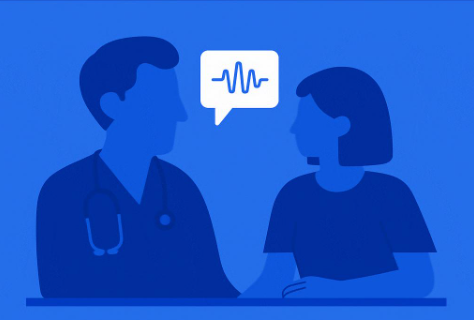
Startup aims to address language barriers in healthcare through real-time AI integration
No Barrier has completed a $2.7 million seed round led by A Squared Ventures and Esplanade Ventures, with participation from Rock Health and Fusion.
The funding will support the expansion of AI-powered medical interpretation across patient care settings.
The company was founded by Eyal, Moe, and Tomer, who began working together in 2010 on voice analytics systems used in regulated industries and call centers. In 2023, they shifted focus to healthcare, aiming to address communication challenges for patients with limited English proficiency.
Across the United States, more than 25 million people face language barriers in medical encounters. Studies show that even professional interpreters average about 75 percent accuracy, with omissions being the most common errors.
Clinicians report delays in securing interpreters, reliance on family members for translation, and high costs that strain health systems.
No Barrier’s platform delivers real-time interpretation across more than 40 languages and dialects. It integrates directly into clinical workflows, from check-in and triage to diagnosis, treatment, and discharge. The system is HIPAA and SOC 2 compliant, ensuring patient privacy.
Health systems using No Barrier have reported immediate start of clinical encounters, interpretation cost reductions of up to 70 percent, and lower clinician workload. The platform is currently in use across more than 100 sites in 12 states, including mental health, reproductive care, pediatrics, and infectious disease.
According to the company, the seed funding will accelerate deployment and support hybrid AI–human interpretation models designed to maintain accuracy and compliance.
Future plans include expanding partnerships with health systems, increasing language coverage, and further integrating the platform into diverse care environments.
No Barrier positions its work as part of a broader effort to improve communication in healthcare, emphasizing that language access is a key factor in patient safety and quality of care.


