
To Buy Zepbound Online Visit Our Pharmacy ↓
 Managing Zepbound Side Effects - Practical Tips for Common Reactions
Spotting and Tracking Early Gastrointestinal Symptoms
During the first weeks on treatment you might notice mild stomach upset, nausea after meals, bloating, loose stools or occasional constipation. Pay attention to timing — whether symptoms start soon after a dose or after certain foods — and note severity on a simple scale (mild/moderate/severe). A brief daily log captures patterns: time, what you ate, symptom type, intensity and duration, and any remedies tried. Include hydration and activity notes.
Track entries in a phone note or simple app and review them weekly to spot trends. Share concise summaries with your clinician before appointments so adjustments can be timely. If nausea persists beyond a few days, is severe, or is accompanied by fainting, fever, persistent vomiting or bloody stools, pause medication and seek medical advice promptly. Small changes often resolve, but early reporting prevents complications and help personalize ongoing care.
| Symptom | What to Record |
|---|---|
| Nausea | Onset time, relation to dose/food, severity |
| Bloating | Duration, triggers, relief measures |
| Diarrhea/Constipation | Frequency, stool consistency, hydration status |
Beat Nausea with Simple Practical Dietary Tweaks
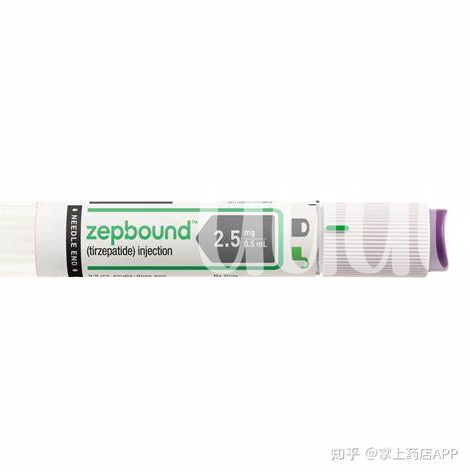
When I started zepbound I expected shifts in appetite but not the wave of nausea that arrived during the first week. Small routines helped me feel anchored: slow breathing, sitting upright after meals, and choosing bland snacks that felt gentle. Recognizing patterns made the discomfort less surprising.
Eat small, frequent portions: plain crackers, toast, bananas, and applesauce often settle the stomach. Avoid rich, fried, or highly spiced dishes and heavy dairy early on. Ginger tea, peppermint candies, or a lemon slice in water can soothe and are easy to try between doses.
If nausea persists or you can’t keep fluids down, contact your clinician—sometimes dose timing or taking zepbound with a light snack helps. Keep a brief diary of food, symptoms, and timing to share at visits; small data points speed solutions and restore comfort and ease returning to routine.
Hydration Habits and Tips for Managing Dizziness
Starting zepbound, I noticed lightheaded spells after standing.
Small changes helped: sip water steadily during the day, add an electrolyte drink after sweating, and set reminders to avoid long gaps between drinks.
Adopt habits like carrying a bottle, topping up before outings, and limiting alcohol or caffeine that dehydrate. When dizziness hits, sit or lie down, breathe slowly, and elevate your legs to improve blood flow.
Log episodes and check blood pressure when possible. Carry salt packets for low BP. Seek medical advice for fainting, persistent vertigo, or worsening symptoms.
Recognizing Blood Sugar Changes and When to Act

When starting zepbound, subtle shifts in energy, sweating, trembling, or sudden hunger can signal low blood glucose, while excessive thirst and frequent urination suggest highs. Keep a simple log of readings, meals and symptoms for a week to spot patterns and share with your clinician.
Act promptly if readings exceed targets or you experience confusion, fainting or persistent nausea — call your provider or seek urgent care. Variations are common, but clear instructions on adjusting insulin, carbs or timing should come from your medical team; never guess doses on your own.
Gentle Care for Injection Site Reactions and Prevention
I felt a small sting the first time; a calm, steady routine made it less worrying. Check the site daily with clean hands, noting size, color and tenderness so small changes aren’t missed. Photographing the site can help track progress and guide your clinician if needed.
For mild redness or swelling, apply a cool compress for 10–15 minutes, avoid topical irritants, and consider over‑the‑counter pain relief if needed. Rotate injection spots to prevent repeated irritation and keep a brief log of locations. Avoid tight clothing over the area and keep it dry between compresses.
Contact your clinician if redness spreads, a hard lump persists, fever develops, or symptoms worsen despite home care. Many people on zepbound manage minor reactions easily when they follow simple prevention measures and report unusual changes promptly. Keep emergency contacts handy if severe pain or spreading occurs.
| Tip | When |
|---|---|
| Cool compress | First 24 hours |
| Rotate sites | Each dose |
Know When to Pause Treatment and Seek Help
You may notice a pattern of worsening symptoms — persistent vomiting, severe abdominal pain, faintness, or confusion — that doesn't respond to simple measures. If symptoms are intense, sudden, or include trouble breathing, swelling of the face or throat, or chest pain, stop the medication and get immediate medical attention.
For less dramatic but concerning signs — prolonged severe nausea, signs of dehydration (very dark urine, lightheadedness), or repeated hypoglycemia in people on insulin or sulfonylureas — pause the dose and contact your prescriber the same day. They may advise temporary discontinuation, dose adjustment, or urgent testing (blood sugar, kidney function, or pancreatic enzymes).
Keep a brief symptom log and emergency contacts, and carry instructions about your medication. Never restart without medical clearance; coordinated care reduces risks and gets you back on track safely. Ask about alternative dosing or supportive therapies early when concerned.