
To Buy Ventolin Online Visit Our Pharmacy ↓
 Proper Inhaler Technique: Getting the Most from Ventolin
Mastering Breath Timing for Effective Ventolin Delivery
I remember gasping on a windy morning; Ventolin in my palm. Practicing timing turned fumbling into control: exhale fully, position the mouthpiece, then start a steady, deep inhalation as the spray is released into lungs.
Coordination is key: press the canister at the start of inhalation; inhale slowly for three to five seconds. A gentle, sustained breath carries particles deeper into airways; rapid sniffs deposit most medicine in the throat.
After inhalation, hold your breath for five to ten seconds; this allows medication to settle in small airways. If a second puff is prescribed, wait at least thirty seconds and repeat the calm sequence once.
Practice builds confidence: ask a clinician to watch your technique during appointments and try a spacer if recommended. Small routines — counting seconds aloud, pacing breaths, using timed reminders — improve delivery and reduce wasted doses daily.
| Step | Action | Timing |
|---|---|---|
| 1 | Exhale fully | 1–2 seconds |
| 2 | Start slow inhalation & press | 3–5 seconds |
| 3 | Hold breath | 5–10 seconds |
| 4 | Wait between puffs | 30–60 seconds |
Choose and Use Spacers to Maximize Medication Reach
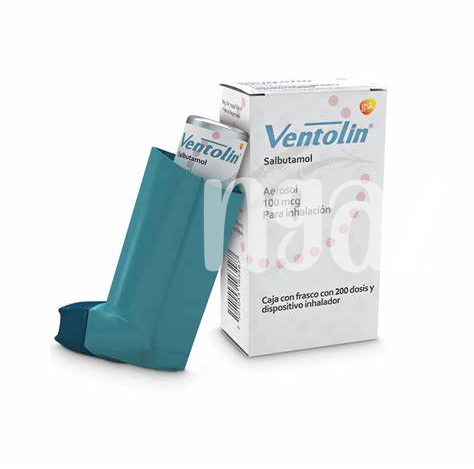
I remember the first time my child's breathing relaxed after using a spacer; the small chamber felt like a gentle bridge between inhaler and lungs. Spacers reduce coordination problems, slow particles, and increase the dose reaching airways. Choose a spacer compatible with your metered-dose inhaler, ideally one with a one-way valve for young children, and ensure size and mask fit match age and face shape.
To use one with ventolin, shake the inhaler, attach it to the spacer, and have the patient exhale before sealing lips around the mouthpiece or fitting the mask snugly. Press the canister once and inhale slowly; if using a valved holding chamber, take four to six tidal breaths or a single slow deep inhalation with a five- to ten-second breath hold. Regularly inspect for cracks, replace as recommended, and ask your clinician to observe technique.
Cleaning and Maintenance Habits That Preserve Inhaler Performance
A patient recalls a windy afternoon when a shaky inhaler failed. Regular cleaning now keeps doses reliable and restores confidence during sudden breathlessness.
Wiping the mouthpiece weekly, removing the canister, and air-drying prevents blockages; for metered inhalers like ventolin this preserves spray pattern and dose reliability.
Avoid soaking unless instructed; plastic parts can warp. Replace spacers yearly and always track expiry dates so doses remain potent and predictable.
Check spray visually monthly and practice with a coach. Clean hands and mouth before use, and seek help if performance worsens immediately.
Recognize Common Mistakes That Waste Your Medication
Imagine squeezing a familiar blue inhaler and feeling nothing change — often the culprit is technique. Skipping steps like shaking the canister, exhaling into the mouthpiece, or inhaling too quickly reduces how much ventolin reaches the lungs. Many also forget to prime new inhalers, use spacers inconsistently, or fire consecutive puffs without waiting; each error wastes medication and worsens symptoms.
Correcting these is simple: shake and prime when needed, exhale fully, place the mouthpiece properly, inhale slowly and hold breath five to ten seconds, and pause thirty to sixty seconds between puffs. Check dose counters and storage conditions regularly, practice with a spacer if prescribed, and review technique with your clinician to ensure every puff counts.
When and How Often to Check Inhaler Technique
A patient once learned to time their breath with each ventolin puff and felt immediate relief; learning correctly can turn confusion into control and fewer wasted doses today too.
Practice in calm moments makes the technique second nature. Check technique after any exacerbation, medication change, or new device, and whenever control feels uncertain; ask a clinician to observe.
Video demonstrations, clinic reviews, or pharmacy-led coaching can reveal small errors—poor timing, weak inhalation, or wrong seal—that compromise ventolin delivery and lead to more symptoms and unnecessary cost too.
Set reminders: after an annual check, during seasonal reviews, and whenever prescriptions change. Small, regular checks preserve effect, extend inhaler value, and protect daily breathing and confidence too.
| Action | When |
|---|---|
| Self-check | Monthly |
| After flare | Immediately |
| Professional review | Annually |
Knowing Side Effects Symptoms and When to Seek Help
A quick tremor and racing pulse after an asthma puffer can be unsettling. These common, usually mild reactions — plus headache, dry mouth or throat irritation — often fade. Note their frequency and how long they last after each use.
More serious signs include chest pain, severe rapid heartbeat, marked breathlessness, fainting, or swelling of the face and throat. If any of those occur, stop using the inhaler and get emergency care immediately — don’t delay.
Contact your clinician when you need rescue doses more than twice weekly, notice reduced effect, or have persistent side effects. Keep a symptom log, bring the inhaler to appointments, and discuss dose adjustments or alternative therapies as needed for safety reasons.