
To Buy Semaglutide Online Visit Our Pharmacy ↓
 The Future of Weight Loss Drugs — Research and Next Steps.
Breakthrough Drugs Reshaping Weight Loss Science
Clinicians and patients watched discoveries move from bench to bedside, turning curiosity into practical therapies that cut weight and improved metabolic health.
Early trials revealed surprisingly large benefits, prompting new study designs, faster approvals, and wider integration into obesity care pathways across age groups.
Mechanisms once theoretical—hormonal signaling, appetite suppression, energy expenditure shifts—are now targets, offering mechanistic clarity that guides combination strategies and personalized dosing decisions broadly.
Challenges remain: durability, safety across populations, and behavioral support to sustain gains. Ongoing research aims to align outcomes with real-life needs and equity.
| Key Point | Why it matters |
|---|---|
| Mechanism clarity | Improves targeted treatments |
How Glp-1 Therapies Changed Clinical Practice

Clinicians once focused mainly on diet and exercise; now medications like semaglutide have reframed expectations, producing substantial, sustained weight loss and prompting earlier medical intervention. This changed shared decision-making and set new benchmarks for metabolic outcomes.
Practice patterns shifted toward multidisciplinary teams, combining pharmacotherapy with behavioral support, nutrition counseling and chronic-disease management to optimize outcomes. Some clinics report fewer referrals for surgery and different care pathways.
Providers now emphasize monitoring, dose titration and long-term safety data, while guidelines and training adapt to balance efficacy, side-effect management and realistic patient expectations.
Next-gen Molecules Targeting Hunger and Metabolism
Researchers are rewriting appetite biology, converting signals into targeted therapies that curb cravings and recalibrate metabolism. Early successes with semaglutide proved the concept, inspiring bolder molecular designs and trials worldwide.
Next-generation compounds combine GLP-1, GIP and glucagon pathways to amplify weight loss while preserving lean mass. They act centrally and peripherally, increasing satiety, energy expenditure and adipose tissue thermogenesis safely.
Clinical work focuses on durable outcomes, biomarkers predicting response and tailoring doses. Ongoing trials emphasize cardiovascular safety, adherence and affordability, ensuring these innovations translate into sustainable, equitable care for populations.
Balancing Efficacy Safety and Long-term Outcomes
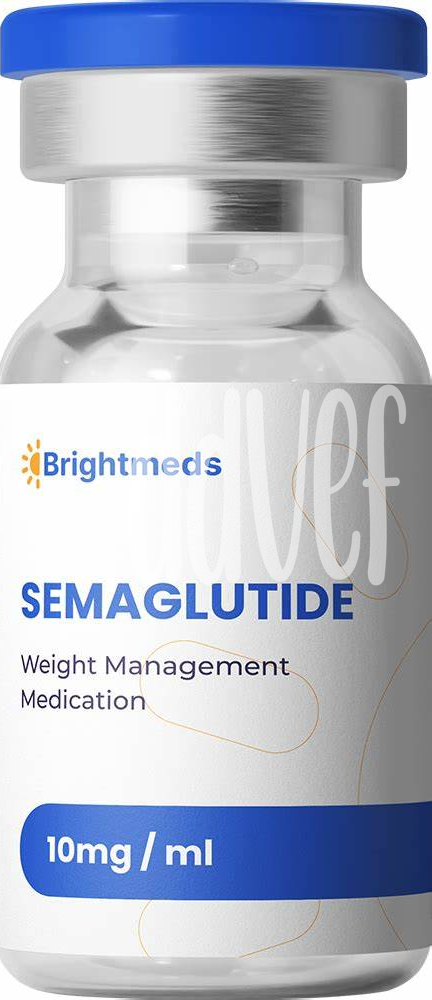
A decade ago, weight-loss pharmacology felt like a distant promise; today, drugs such as semaglutide produce dramatic, clinically meaningful reductions in body weight. Clinicians and patients celebrate rapid gains, yet every breakthrough also prompts deeper questions about durability, realistic expectations and the shifting goals of treatment.
Rapid declines in weight can unmask nutritional deficiencies, gallbladder disease, or mental health challenges; rare but serious adverse events require vigilance. Trials must extend follow-up, incorporate hard endpoints like cardiovascular outcomes, and standardize adverse-event reporting so clinicians can weigh short-term benefits against long-term consequences in diverse patient populations.
The path forward blends science and systems: personalized dosing algorithms, combination molecules, registry-based safety surveillance, and reimbursement models that support continual monitoring. Engaging patients in shared decision-making and prioritizing equitable access will be essential to translate potent pharmacologic responses into sustained, safe health improvements and outcomes.
Personalized Medicine and Biomarkers for Weight Loss
Clinicians are shifting from one-size-fits-all regimens to tailored plans that learn from genetics, microbiomes and metabolic readouts. Patients describe relief when treatments match their biology; trials show markers predict who benefits most from semaglutide and related agents. This narrative fuels hope and rigorous research.
Clinicians aim to integrate blood-based biomarkers, imaging and wearable data into adaptive protocols so side effects and weight maintenance are anticipated. Algorithms will stratify therapy intensity, identify responders, and guide withdrawal strategies. The goal: safer, durable outcomes informed by measurable biological signals, and equitable, cost-effective adoption.
| Biomarker | Predictive use |
|---|---|
| GLP-1 response | Anticipate semaglutide efficacy |
Access Equity Cost Dynamics Shaping Future Uptake
As new weight-loss medicines gain visibility, patients and policymakers face stark choices between hope and affordability. Uneven insurance coverage, high out-of-pocket prices, and limited supply create geographic and socioeconomic gaps. Community clinics and advocacy groups are piloting programs to bridge disparities and monitor real-world effectiveness.
Long-term uptake requires transparent pricing, expanded public funding, scaled manufacturing, robust cost-effectiveness studies. Trials must enroll diverse populations so guidelines reflect social realities. Partnerships between industry, governments, and patient groups can align incentives, improve supply chains, help these therapies reach patients who need them most.