
To Buy Revia Online Visit Our Pharmacy ↓
 Revia Vs Vivitrol: Oral Versus Injectable Comparison
Understanding How Oral and Injectable Treatments Work
A person steps into recovery hopeful, choosing a medication that blocks opioid receptors to reduce cravings and prevent overdose. It feels like regaining control.
One option is a daily tablet absorbed and cleared by the liver, giving flexible dosing but requiring daily adherence. It can be missed or stopped unintentionally.
The other is a monthly depot injection delivering steady antagonist levels, removing daily decision-making and smoothing blood concentrations consistently.
Both require opioid-free status before start, share similar receptor mechanisms, and often differ mainly by pharmacokinetics, monitoring needs, and adherence implications.
| Form | Dosing |
|---|---|
| Oral | Daily |
| Injectable | Monthly |
Comparing Effectiveness: Relapse Prevention and Recovery Outcomes

Clinical studies suggest injectable naltrexone provides steadier opioid receptor blockade, leading to lower early relapse rates for some patients, while oral revia allows rapid dose adjustments and immediate discontinuation if side effects occur.
Meta-analyses find similar long-term abstinence between formulations when adherence is ensured, but real-world retention favors monthly injections because missed pills undermine oral efficacy.
Ultimately, personalized care—matching a patient's lifestyle, relapse history, and support system—determines outcomes; combining medication with counseling and monitoring boosts recovery regardless of choosing revia or injectable naltrexone in diverse clinical settings and age groups.
Side Effects and Safety Profiles: What to Expect
A person choosing medication learns oral revia commonly causes nausea, headache, and occasional dizziness; rare liver enzyme elevations require monitoring, but its half-life allows dose adjustments when side effects appear.
By contrast, monthly injectable formulations produce injection-site pain and soreness, carry risk of precipitated withdrawal if opioids remain in the system, and demand strict screening before administration to ensure safety.
Clinicians balance efficacy with safety by regularly monitoring liver function, advising overdose risk after discontinuation, and tailoring choice to patient health, adherence likelihood, and shared preferences during informed consent discussions.
Adherence and Convenience: Daily Pill Versus Monthly Injection
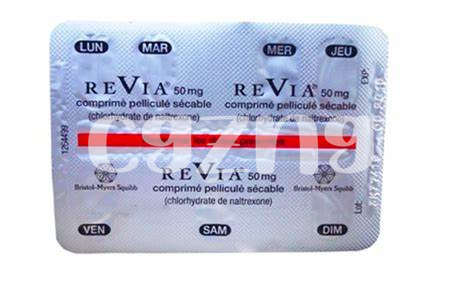
She kept a small bottle of pills in her purse and a calendar app buzzing every morning; he drove two hours for a monthly clinic visit and left with a steady injection. This contrast—daily routine versus appointment-based care—shapes real-world adherence and routines.
Oral medications like Revia demand daily commitment, which can empower patients through autonomy but risks missed doses when schedules are chaotic. Monthly injections remove the daily burden and offer steady blood levels, improving adherence for some, though clinic access and injection reactions can deter others.
Clinicians weigh lifestyle, support systems, and access when recommending treatment: some patients thrive on the ritual of a pill, others on the simplicity of a monthly visit. Shared decision-making, reminders, and social supports often determine whether efficacy in trials translates into success in life. Cost, travel time, and personal preference also influence outcomes.
Cost, Insurance Coverage, and Access Considerations
Out of pocket expenses and pharmacy policies often guide which medication a person selects.
For example, revia tablets can be cheaper but require daily filling and prescriber oversight; extended release injections may have higher upfront costs yet reduce hidden expenses like missed doses.
Insurance formularies, prior authorization rules, and clinic availability determine access; some programs cover injections fully, easing clinic scheduling burdens.
| Item | Revia | Vivitrol |
|---|---|---|
| Typical coverage | Often generic; copay varies | Injection visits billed; prior auth common |
| Access tip | Ask about assistance | Check clinic billing |
| Notes | Verify authorization timelines often | |
Patient Preferences, Stigma, and Clinical Decision Factors
When choosing between pill or injection, many people weigh daily routines and privacy. Some prefer a monthly appointment for reliability, while others value taking control each morning. Clinicians explore preferences to align treatment with life.
Stigma around medication can shape decisions; a visible clinic visit may feel exposing, while discreet pills risk accidental disclosure at home. Open conversations reduce shame and help match therapy to social comfort and support systems.
Medical factors also guide selection: liver disease, pregnancy potential, medication interactions and prior response influence safety. For some, injectable formulations bypass adherence barriers; for others, oral dosing allows rapid discontinuation if side effects emerge promptly.
Best outcomes come from shared decision-making, with clinicians offering data, risks, and practicalities. Regular monitoring and flexible plans encourage adherence. Ultimately, individualized care that respects identity, routines, and goals promotes sustained recovery for lasting success.