
To Buy Reglan Online Visit Our Pharmacy ↓
 Reglan Vs. Domperidone: Comparing Prokinetic Options
How Reglan and Domperidone Work Differently
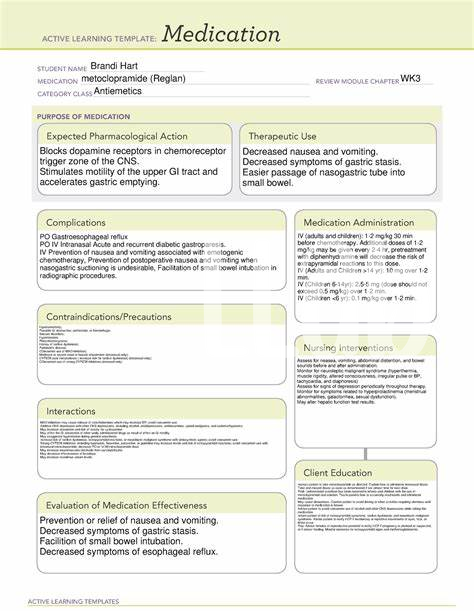
I remember a patient describing stomach that felt like a slow conveyor belt; translating that feeling into pharmacology helps. Reglan (metoclopramide) blocks dopamine D2 receptors both in the brainstem and the gut, augmenting acetylcholine release and stimulating gastric emptying while also exerting modest 5‑HT4 agonist and 5‑HT3 antagonist actions. This central D2 blockade contributes to antiemetic effects but also to extrapyramidal symptoms and prolactin elevation.
Domperidone preferentially antagonizes peripheral D2 receptors at the gastrointestinal level and largely spares central dopamine pathways because it poorly crosses the blood–brain barrier. The result is effective promotion of gastric motility with reduced risk of central extrapyramidal reactions and prolactin rise compared with metoclopramide, but cardiac concerns (QT prolongation) and drug interactions remain important. Clinicians weigh these mechanistic differences when tailoring therapy to symptom profile and comorbidity and patient preferences about likely side effect burdens.
| Drug | Main receptor action |
|---|---|
| Reglan | Central and peripheral D2 antagonism; 5-HT4 agonist |
| Domperidone | Peripheral D2 antagonism; minimal CNS penetration |
Head-to-head Efficacy: Which Moves Gut Faster

In comparative studies, reglan (metoclopramide) often produces a quicker onset of gastric emptying than domperidone because it combines central dopamine antagonism with direct cholinergic effects on the gut. Clinical trials show modest differences: reglan can reduce gastric retention and symptom scores more rapidly, especially in acute gastroparesis, but benefits vary by dose, route, and patient population.
Domperidone tends to offer similar prokinetic efficacy over longer courses with fewer central nervous system effects, so its slower but steadier benefit makes it attractive for chronic management when cardiac risk is monitored. Ultimately speed must be balanced against tolerability, regulatory availability, and individual response; clinicians often trial short reglan courses and switch to domperidone or adjuncts for maintenance.
Side Effects Showdown: Tolerability and Risks Compared
Patients often describe choosing a prokinetic as a trade-off between relief and tolerability. Reglan (metoclopramide) commonly causes fatigue, drowsiness, and extrapyramidal symptoms such as acute dystonia or tardive dyskinesia with longer use; nausea and diarrhea are less common. Domperidone tends to spare central nervous system effects because it poorly crosses the blood–brain barrier, so agitation and movement disorders are rarer, but prolactin-related effects like galactorrhea or menstrual changes can occur.
Clinicians balance these profiles against severity and duration of therapy: short courses of reglan may be acceptable for acute gastroparesis but require caution if repeated or prolonged; domperidone may be favored when central side effects are a concern but raises cardiac monitoring issues. Patient history, concomitant drugs, and risk tolerance guide choice, with informed discussion about what adverse effects to watch for and when to seek care and further advice.
Cardiac Safety Concerns: Qt Risk and Monitoring
In clinic a patient developed lightheadedness after starting reglan; ECG showed QT prolongation, a rare but serious mechanism that can precipitate torsades de pointes. Certain factors such as existing heart disease, low potassium or magnesium, older age, and polypharmacy with other QT prolonging agents amplify the danger.
Practical monitoring begins with a baseline ECG and serum electrolytes, repeating ECGs after dose escalations or when interacting medications are added. Review hepatic and renal function and screen for CYP interactions that raise exposure. Symptoms like syncope, palpitations, or dizziness warrant immediate reassessment.
To minimize risk, use lowest effective dose, avoid combinations that lengthen repolarization, correct electrolytes, and consider alternatives for high risk patients. Shared decision making with clear instructions on warning signs helps balance therapeutic benefit against cardiac harms. Regular follow up and cardiology referral when uncertain improve safety for high risk.
Dosing, Administration, Interactions, and Practical Tips
When starting reglan, clinicians usually begin at a low dose and safely titrate to effect. Short courses reduce movement disorder risk. Take it before meals to maximise gastric emptying and synchronise peak action with digestion.
Check concomitant medications carefully: combining dopamine antagonists or other central nervous system depressants amplifies sedation and movement adverse effects. Antiemetics, antipsychotics, and some antidepressants regularly require cautious co-prescription and periodic reassessment of benefit versus harm.
Adjust dosing in older adults and those with renal impairment, using lower doses and more frequent review. Limit duration to minimise tardive dyskinesia risk, instruct patients to report unusual jerks, stiffness, or persistent restlessness promptly.
For parenteral use in acute settings, monitor for response and extrapyramidal events. Store as directed and advise patients on missed doses. Discuss pregnancy or breastfeeding with the prescriber; re-evaluate need for reglan during follow-up visits.
| Drug | Common oral dose |
|---|---|
| Reglan (metoclopramide) | 5–10 mg 30 minutes before meals |
Choosing between Drugs: Patient Factors and Guidelines
When deciding between these prokinetics, think of the patient's full story: age, cardiac history, concomitant drugs, pregnancy plans, and duration of therapy.
Metoclopramide offers reliable gastric emptying but carries central nervous system risks (extrapyramidal symptoms, tardive dyskinesia) that favor short courses and caution in the elderly.
Domperidone has fewer central effects and can suit longer use, yet cardiac QT risk and interactions (CYP3A4 inhibitors, electrolyte disturbances) require ECG and electrolyte review.
Follow guidelines: use the lowest effective dose for the shortest necessary time, screen for risk factors, and document shared decision-making. When in doubt, consult gastroenterology or pharmacy for individualized risk–benefit assessment and monitoring plans. Regular follow-up and symptom tracking guide long-term choices. Reassess periodically.