
To Buy Modafinil Online Visit Our Pharmacy ↓
 Microdosing Modafinil: Myth or Productivity Hack?
Defining Microdosing: Science, Practice, and Safety
I began experimenting cautiously, seeking subtle boosts rather than dramatic shifts. Microdoses of modafinil aim to sharpen focus without full prescription intensity.
Science frames this as dose-dependent modulation of wakefulness and executive control, but mechanisms at low doses remain partly speculative.
Practice varies: users report improved clarity, smoother workflows, and reduced mental fatigue. Placebo effects and individual variability complicate interpretation.
Safety demands respect: medical review, minimal effective dosing, and avoiding interactions are essential. Long-term studies are scarce, so caution is wise.
| Aspect | Tip |
|---|---|
| Dose | Start low |
| Doctor | Consult |
| Monitor | Effects |
How Tiny Prescription Doses Affect Cognition and Alertness

At low, sub-therapeutic quantities, these doses nudge brain chemistry rather than overhaul it, subtly increasing wakefulness and reducing lapses in attention. Users often describe a quiet sharpening of focus—less scatter, more manageable flow—without the jittery highs associated with stimulants.
modafinil acts on several neurotransmitter systems, notably dopamine and orexin pathways, which explains faster reaction times and improved vigilance in many lab tests. Yet cognitive boosts are task-specific; complex reasoning, creativity, and long-term learning show mixed effects in controlled studies.
Subjective experience varies: some report steady productivity across an eight-hour span, others notice only marginal gains or tolerance with repeated use. Because individual metabolism and baseline sleep affect outcomes, careful dosing and clinical guidance are essential.
Evidence Review: Studies, Anecdotes, and Placebo Comparisons
Researchers have probed modafinil’s subtler effects with small randomized and placebo-controlled trials, showing consistent gains in vigilance and wakefulness but mixed results for creativity and complex decision-making. Laboratory tasks often reveal improved sustained attention and reduced reaction time, yet ecological studies and workplace reports yield variable outcomes; anecdotes tout enhanced focus, but they risk bias and expectancy effects.
Placebo comparisons often shrink apparent benefits: when blinding is rigorous, effect sizes are modest and inconsistent across cognitive domains. Individual baseline sleep, genetics, and task demands mediate response, so microdosing outcomes vary. Larger, longer randomized studies and transparent reporting are needed before endorsing routine use; until then, claims from forums and single-case reports should be treated cautiously.
Risks, Side Effects, and Long-term Unknowns to Consider
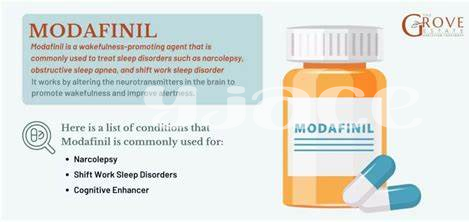
An early-morning trial of modafinil felt promising, but even a single experiment can reveal unsettling side effects and subtle mood shifts too.
Known reactions include insomnia, increased heart rate, anxiety, and rare severe skin disorders; however long-term cardiovascular and cognitive risks remain poorly characterized.
Placebo-controlled trials are limited; relying on anecdotes or microdosing routines ignores cumulative exposure, interactions with medications, and individualized vulnerabilities over many months.
Practical caution is essential: consult a clinician, monitor blood pressure and mood, avoid mixing stimulants, and stop if severe reactions emerge; immediately document changes.
Practical Dosing Strategies, Timing, and Safety Precautions
Begin conservatively under medical supervision: start at the lowest effective prescription amount, track effects, and adjust only with clinician input to reduce adverse reactions and document sleep, mood, and focus.
Take doses early in the day to minimize insomnia; avoid multiple stimulant combinations and do not mix with alcohol or recreational drugs that raise heart rate.
Monitor blood pressure, watch for severe rashes or mood shifts, and review all medications for interactions—modafinil can lower hormonal contraceptive effectiveness and influences liver enzymes.
Skip use if pregnant, breastfeeding, or with uncontrolled cardiac disease; keep brief trial periods, maintain a log, and seek immediate care for alarming symptoms.
| Tip | Note |
|---|---|
| Timing | Morning |
| Monitoring | BP, sleep |
| Action | See physician |
Ethics, Legality, and Workplace Implications of Cognitive Enhancement
On a night shift Emma wondered whether a tiny dose could sharpen her focus without changing her. The moral questions — fairness among colleagues, subtle pressure to perform, and consent — are immediate and personal.
Legally it’s complex: modafinil is prescription-only in many countries, and using it without medical supervision can breach regulations or workplace policies. Some employers treat off-label cognitive aids like doping while others lack clear guidance, creating gray zones for employees today.
Practical responses favor transparency, clear policies, and access to medical advice. Employers should prioritize equitable workload, avoid incentives for pharmacological boost, and offer alternatives such as scheduling changes or wellness programs. Individuals must weigh benefits against health risks, legal consequences.