
To Buy Mobic Online Visit Our Pharmacy ↓
 Mobic Side Effects: What Patients Should Know
Recognizing Common Reactions: Mild to Moderate Symptoms
When you first start Mobic, common reactions are usually mild and short-lived. I felt a slight headache and occasional dizziness the first two days, which faded with rest.
Minor stomach upset, heartburn or mild swelling can occur; tracking symptoms helps distinguish harmless effects from trends. Keep a symptom diary and note timing, dose, and any triggers for your clinician.
Also expect fatigue, sleep changes, or skin reactions in people. If symptoms persist beyond a week or worsen, contact your prescriber to reassess therapy, consider alternative strategies and prompt follow up.
| Symptom | Action |
|---|---|
| Headache/dizziness | Rest, hydrate; monitor |
| Stomach upset | Take with food; report if severe |
Serious Warning Signs That Require Immediate Attention

While taking mobic, imagine waking in the night with a tightness in your chest and a wave of breathlessness that won’t ease. These are not typical aches; they suggest possible cardiovascular trouble. Sudden weakness, slurred speech, or fainting are equally alarming and may signal a stroke or severe heart event. Any blistering rash, swelling of the face, lips or tongue, or difficulty breathing could indicate a life threatening allergic reaction immediately.
Stop the medication and seek emergency care immediately; time matters. Tell providers you were taking mobic and bring a list of all medicines and supplements to check for interactions. For severe abdominal pain, vomiting blood, black stools, jaundice, sudden breathlessness, or fainting, go to the nearest emergency department without delay. Prompt treatment often prevents lasting harm, so don’t wait to see if symptoms subside and call your doctor today.
Gastrointestinal Risks: Preventing Nausea and Stomach Issues
When I started taking mobic for chronic joint pain, mild stomach discomfort reminded me that even helpful medicines can irritate the gut. Simple steps, taking tablet with food, avoiding alcohol, and using the lowest effective dose, often prevent nausea and heartburn. Tracking symptoms in a diary helps spot patterns and prompt conversations with clinicians.
If stomach pain, persistent vomiting, black stools, or severe indigestion occur, seek medical advice immediately. Doctors may recommend antacids, proton pump inhibitors, or switching to another pain reliever. Elderly patients and those with prior ulcers should be especially cautious and discuss protective strategies before continuing therapy. Also always review over the counter remedies and supplements with your provider to prevent complications.
Cardiovascular Concerns: What Heart Patients Should Monitor
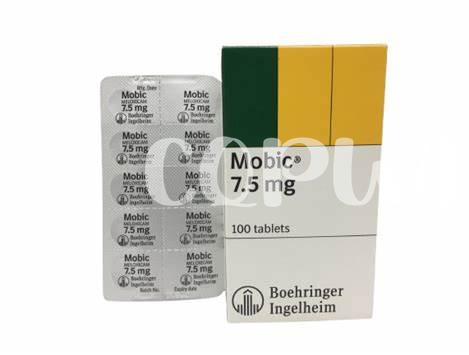
People with heart disease should treat any new aches or breathlessness as a signal, not a nuisance. Even a familiar pain reliever such as mobic can raise blood pressure, worsen heart failure, or increase clotting risk in some patients. Monitor daily blood pressure, pulse and weight, and note swelling in ankles or sudden shortness of breath. Keep a symptom diary so you can describe timing, dose, and triggers to your clinician.
Tell your cardiologist about all medicines, especially blood thinners, ACE inhibitors, ARBs and diuretics—NSAIDs can blunt their effects or elevate potassium. Use the lowest effective dose for the shortest time and avoid combining NSAIDs. Have kidney function and electrolytes checked periodically. Seek immediate care for new chest pain, fainting, sudden weakness, or slurred speech. Clear communication and routine monitoring turn small risks into manageable steps. Ask about alternatives too.
Drug Interactions: Medications and Supplements to Avoid
When starting mobic, think about medicines that thin blood or stress the kidneys. A quick story: a patient combined it with aspirin and suffered prolonged bruising, so caution matters.
Avoid pairing with other NSAIDs, selective serotonin reuptake inhibitors, ACE inhibitors, diuretics, or high‑dose supplements like omega‑3s without medical advice.
Tell your clinician about herbs such as ginkgo or garlic and over‑the‑counter remedies; pharmacists can check interactions and adjust dosing to reduce risks, especially for older adults or those with heart, kidney, or bleeding disorders before starting mobic therapy or supplements.
Tips for Safer Use: Dosing, Timing, and Follow‑up
Begin with the lowest effective dose and treat tablets as an experiment; track how pain and stiffness respond over days. Consult your prescriber before changing dosage.
Take doses with food to reduce stomach upset and keep a schedule so blood levels stay steady. Use reminders or pair doses with routines.
Report worrying symptoms promptly—new shortness of breath, chest pain, severe abdominal pain, or bruising. Early notes help clinicians adjust therapy safely.
Keep follow‑up appointments and bring a medication list. Regular checks of blood pressure, kidney function and interactions protect health.