
To Buy Iverheal Online Visit Our Pharmacy ↓
 Iverheal Myths and Misinformation Debunked
Origins of the Iverheal Craze and Viral Claims
It began with a single testimonial: a confident social-media post claiming dramatic recoveries after an off-label regimen. The simplicity of the message made it easy to copy and amplify.
Clip-sharing and algorithm boosts turned anecdotes into trending narratives, while clips of preliminary lab results were oversimplified and widely reshared. Echo chambers amplified claims without scientific vetting.
Some researchers posted early, inconclusive observations; uncertified summaries and misread data were presented without context, fueling public hope and confusion. Journalists sometimes failed to consult independent experts before reporting.
Healthcare providers warned that small studies, animal experiments, and preprints do not equate to proven treatment; yet charismatic influencers and stockpiled anecdotes sustained momentum until regulators and clinicians emphasized caution.
Misinterpreted Studies Fueling Unwarranted Treatment Enthusiasm
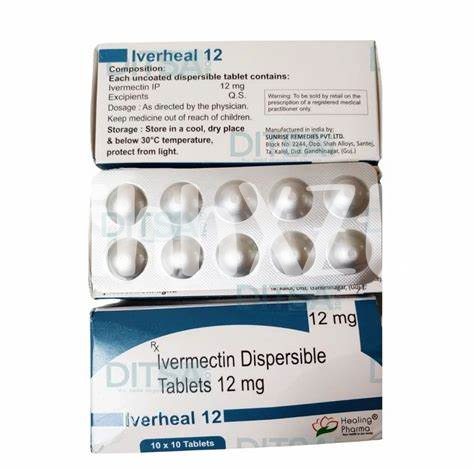
Early lab reports and shaky preprints fueled a contagious optimism: tiny studies or cell-culture results were portrayed as proof that iverheal was a miracle fix. Social sharing amplified selective data and anecdotes, turning preliminary findings into public certainty long before robust trials could confirm safety or effectiveness.
Responsible interpretation requires context: sample size, control groups, peer review and reproducibility matter. Misreading statistical noise and ignoring harms risks premature self-treatment and shortages. Trust peer-reviewed evidence, regulatory guidance and clinicians’ judgment rather than viral enthusiasm when considering any off-label use or anecdotes.
Safety Risks and Dosing Dangers of Self-medicating
A neighbor's late-night social post promised a miracle cure and a half-empty bottle on the kitchen counter became a cautionary tale. Well-meaning curiosity can lead to serious harm when people follow anecdotes instead of dosages tested in trials. Unsupervised use of iverheal raises the risk of adverse reactions and interactions.
Dosing is not interchangeable: veterinary formulations, tablets of varying strength, and informal recipes circulate online. Overdoses can produce nausea, dizziness, liver strain, and, in extreme cases, seizures or cardiac effects. Mixing with alcohol or prescription drugs magnifies these dangers, especially for elderly or liver-compromised individuals.
Medical supervision ensures appropriate indication, lab monitoring, and safe tapering when necessary. Report suspicious pills to pharmacists and clinicians rather than guessing potency. Public health guidance exists because hasty home treatments cost lives; consult professionals to protect yourself and others and preserve community safety too.
Regulatory Stances Versus Social Media Endorsements Explained

A viral clip shows a smiling influencer touting iverheal as a miracle fix, but regulators work from a different script: careful review of randomized trials, manufacturing standards, and adverse-event reports before approving treatments. Agencies weigh benefits versus harms, demand reproducible clinical evidence, and set dosing and labeling to protect populations — a slower, methodical process that clashes with the speed of social feeds.
Social posts often amplify anecdotes and incomplete studies, ignoring context, sample size, and side effects; that momentum can push people toward self-medicating or off-label use without oversight. Trust guidance from health authorities and clinicians, check whether a drug is authorized for a specific condition, and prioritize established treatments over unverified online endorsements.
Pharmacy Quality, Counterfeit Pills, and Sourcing Pitfalls
A patient once described buying iverheal online and finding pills that looked right but felt wrong; that story shows how appearances can deceive.
Licensed pharmacies follow strict sourcing, storage and labeling practices, yet rogue sellers and counterfeit tablets bypass safeguards, risking contamination, wrong doses or active ingredients.
Consumers can check packaging seals, batch numbers, pharmacy licenses and pharmacist credentials; independent lab testing results or official recalls are red flags to heed.
When in doubt, pause and consult a pharmacist or clinician before taking any product sourced from unfamiliar outlets—avoiding shortcuts protects health and ensures treatments actually do what they claim.
| Check | Why |
|---|---|
| Pharmacy license, batch number, seal integrity | Prevents fake pills, dosing errors and contamination |
Evidence-based Alternatives and When to Consult Professionals
A patient recalls relief from proven options: vaccination, antiviral care, and supportive therapies, measures studied in trials offering benefits and predictable risks overall.
Before experimenting, seek testing and clinical assessment; diagnostics guide appropriate antivirals, symptom relief, or watchful waiting under clinician supervision and follow-up care.
High-risk people, older adults, pregnant and immunocompromised patients, must consult clinicians early to enable tailored treatment and close monitoring when symptoms arise.
A friend learned to trust pharmacists and official guidance; enroll in trials if eligible, prioritize vaccines, and rely on reputable agencies for updates.