
To Buy Hydroxychloroquine Online Visit Our Pharmacy ↓
 Cardiac Risks: Qt Prolongation and Hydroxychloroquine
How Hydroxychloroquine Affects Heart Electrical Rhythm
A patient remembers the sudden flutter of an anxious heartbeat during routine treatment, prompting curiosity and caution. Hydroxychloroquine can subtly alter ion channel behavior, changing repolarization timing and the heart’s electrical stability in susceptible individuals.
It slows the rapid phase of ventricular repolarization by blocking potassium currents, particularly hERG-related IKr, prolonging action potentials. These microscopic delays accumulate across the myocardium, widening the QT interval observed on electrocardiography in some patients.
Prolonged QT increases risk for torsades de pointes, a polymorphic ventricular tachycardia that can degenerate into ventricular fibrillation and sudden cardiac arrest. Risk is influenced by dose, duration, electrolyte status, and concurrent medications and age.
Clinicians should combine symptom awareness with ECG surveillance: baseline and follow-up QT measurements, attention to potassium and magnesium, and patient education about palpitations or syncope. Early detection lets teams adjust therapy to reduce harm quickly.
| Factor | Impact |
|---|---|
| hERG (IKr) block | Action potential prolongation |
| Low K+/Mg2+ | Increased torsades risk |
Understanding Qt Prolongation: Mechanism and Implications
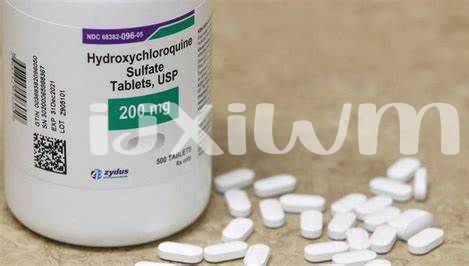
At the cellular level, QT prolongation reflects delayed ventricular repolarization caused by blockade of potassium channels—particularly the hERG (IKr) current. When drugs like hydroxychloroquine inhibit these channels, action potentials lengthen and repolarization becomes unstable, increasing susceptibility to early afterdepolarizations. Those triggered depolarizations can precipitate polymorphic ventricular tachycardia (torsades de pointes) by creating reentrant circuits in heterogenous myocardium.
Clinically, prolonged QT may be silent or present with palpitations, lightheadedness, syncope, or sudden cardiac arrest. The magnitude of risk depends on baseline QT, electrolyte status, genetic predisposition, and concurrent medications. Recognition is crucial because QT prolongation is often reversible after stopping the offending agent and correcting reversible factors, but prevention through careful assessment and monitoring is safer.
Who Is at Risk: Genetic and Clinical Factors
A patient recalls fainting during a spring clinic visit, and the cardiologist suspected a hidden electrical vulnerability. Inherited variants in cardiac ion channels, notably congenital long QT syndromes, can make ordinary medications trigger dangerous delays in repolarization.
Clinical contributors include low potassium or magnesium, slow heart rate, structural heart disease, advanced age, and impaired liver or kidney function. These conditions reduce tolerance to drugs and elevate blood levels of agents such as hydroxychloroquine, raising arrhythmia risk.
Careful medication review, family history of sudden death, targeted ECG screening, and selective genetic testing convert vague risk into a concrete monitoring plan that protects patients. Clinicians should weigh benefits, personalize therapy, and communicate risks clearly to patients promptly.
Drug Interactions That Amplify Qt Interval Danger

A clinician’s story can clarify risk: a patient taking hydroxychloroquine developed dizziness after a new antibiotic was added. Co-prescribed drugs can unmask dangerous rhythms by altering cardiac ion currents directly.
Many agents—macrolides, fluoroquinolones, some antipsychotics, and certain antiarrhythmics—potentiate repolarization delay. Combined effects on hERG potassium channels raise torsades de pointes risk beyond additive expectations, especially in older or frail patients.
Metabolic inhibitors such as azoles or certain antivirals impede hydroxychloroquine clearance, elevating plasma levels and magnifying electrophysiological effects; vigilance around combined prescribing is crucial and prospective ECGs recommended.
Pharmacists are gatekeepers: review concurrent QT-prolonging lists, adjust doses, and suggest alternatives. Shared decision making should weigh therapeutic gain against arrhythmia probability and ensure timely ECG follow-up.
Practical Monitoring Strategies for Safer Use
Start with a clear baseline: before starting hydroxychloroquine, obtain an ECG and check potassium, magnesium, and creatinine. Share a brief patient story about a clinician who caught QT prolongation early, turning a potential emergency into a simple dose change and safer therapy.
Use QTc thresholds and medication review to guide decisions: suspend or reduce dosing if QTc >500 ms or if increase >60 ms from baseline. Repeat ECG within days of dose changes, and monitor electrolytes frequently; consider mobile ECGs for outpatients and telemetric options in high risk cases.
Discuss risks with patients, pause other QT‑prolonging agents, and document shared decisions in the chart.
| Test | Timing | Action |
|---|---|---|
| ECG | Baseline, 2–7 days | Hold if QTc>500 ms |
| Electrolytes | Baseline, as needed | Replete K/Mg |
| Medication review | Before start | Stop interacting drugs |
Balancing Benefits Versus Risks: Clinical Decision Checklist
Imagine weighing a familiar medication against subtle cardiac risk: document baseline ECG, electrolytes, and symptom history before prescribing, involving patients in consent process.
Assess individual risk factors—age, structural heart disease, bradycardia, and concomitant QT‑prolonging drugs—then prioritize safer alternatives when feasible and document rationale in chart.
If treatment proceeds, choose lowest effective dose, correct hypokalemia/magnesemia, and plan ECG checks at baseline and during therapy, timing individualized per risk.
Stop or modify therapy for QTc increases above established thresholds, consult cardiology for complex cases, and communicate clearly with patients about follow-up plans.