
To Buy Atarax Online Visit Our Pharmacy ↓
 Atarax Vs. Benzodiazepines: Comparing Anxiety Treatments
How Atarax Works: Mechanism and Clinical Effects
A patient in a tense clinic waits as a gentle medication eases racing thoughts and muscle tension, offering rapid symptomatic relief without heavy cognitive blunting. Patients often describe a calming warmth that lets them breathe.
It blocks central H1 histamine receptors and exerts mild anticholinergic and anxiolytic effects, reducing arousal through brainstem and cortical pathways.
| Effect | Onset |
|---|---|
| Anxiolysis | 30–60 min |
| Sedation | 30–60 min |
| Duration | 4–6 hours |
Clinically it suits short-term management, preoperative anxiety, or when benzodiazepines are contraindicated; dependence risk is minimal but sedation must be monitored and improves sleep.
Benzodiazepines Unpacked: Types, Action, and Uses
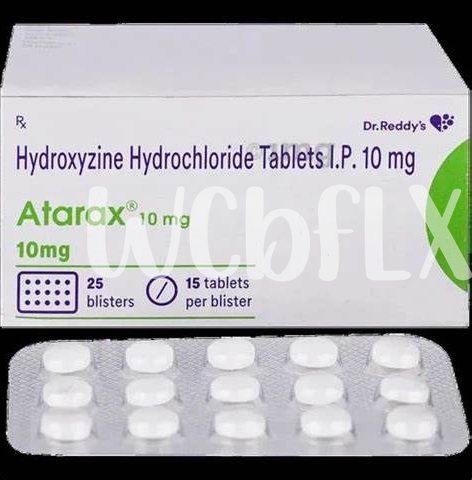
Benzodiazepines come in several forms—short, intermediate, and long-acting agents such as alprazolam, lorazepam, and diazepam—each tuned for different clinical needs. They enhance gamma‑aminobutyric acid (GABA) neurotransmission by binding GABA-A receptors, producing rapid anxiolytic, sedative, anticonvulsant, and muscle‑relaxant effects. The onset and duration vary, guiding choice for panic attacks, insomnia, or procedural sedation.
Clinicians weigh quick symptom relief against risks when prescribing these drugs. Short-acting agents can abort acute panic, while longer-acting options help with seizure control or alcohol withdrawal. For chronic anxiety many consider alternatives because of tolerance and dependence concerns; for instance, antihistamines like atarax may be used transiently when benzodiazepines aren’t appropriate, or as adjuncts in specific scenarios under careful clinical supervision always.
Comparing Effectiveness: Short Term Versus Long Term
In acute anxiety, benzodiazepines act rapidly, easing symptoms within minutes to hours; their potent sedative and anxiolytic effects make them reliable rescue agents. Atarax offers quicker relief than antidepressants with antihistaminic calming but generally less robust than benzodiazepines for severe panic.
For longer courses, benzodiazepines lose appeal because tolerance, cognitive blunting, and dependence can reduce sustained benefit; guidelines favor brief use. Atarax may be used intermittently or as adjunct for insomnia and mild anxiety, but evidence for long-term efficacy is limited.
Choosing between immediate potency and safer chronic profiles demands individualized assessment: symptom severity, comorbidity, substance use history, and treatment goals. Combining psychotherapy and antidepressants often yields superior durable outcomes while minimizing reliance on either benzodiazepines or prolonged atarax use. Regular review, gradual tapering when appropriate, and clear patient education improve safety and long-term outcomes. Shared decision making is vital.
Safety Profiles: Side Effects, Dependence, Withdrawal Risks
Clinicians weigh side effects when selecting treatments: benzodiazepines commonly cause sedation, cognitive slowing, and impaired coordination, while atarax often leads to drowsiness and anticholinergic effects. Patient lifestyle shapes risk tolerance and daily functioning and preferences.
Dependence develops more rapidly with benzodiazepines, especially with high-dose or long-term use; physiological tolerance can require escalating doses. Nonbenzodiazepine antihistamines like atarax have lower addictive potential but can still produce habituation and misuse concerns sometimes.
Withdrawal from benzodiazepines can provoke anxiety rebound, insomnia, tremor, and in severe cases seizures—necessitating slow tapering under supervision. Stopping atarax typically causes milder discontinuation symptoms, though insomnia and agitation may occur in sensitive patients occasionally.
Risk mitigation relies on individualized strategies: shortest effective duration, lowest effective dose, and regular review. Combining psychosocial therapies reduces reliance on medication, monitoring for side effects and dependence supports safer long-term outcomes for diverse patients.
Choosing Treatment: Patient Factors and Clinical Scenarios
Clinicians weigh symptoms, comorbidities, functioning, and patient preference when selecting anxiety treatment. Someone who fears sedation or has substance use history may favor atarax or SSRI augmentation over benzodiazepines.
Acute severe panic, insomnia related to short term stress, or procedural anxiety may justify brief benzodiazepine courses with clear exit plans. For long term care, psychotherapy, lifestyle change, or non addictive pharmacotherapy reduce dependence risk.
| Scenario | Suggest |
|---|---|
| Substance history | atarax or SSRI |
| Acute panic | short benzodiazepine |
Practical Tips: Dosing, Monitoring, Risks, and Alternatives
Start by individualizing dose: older adults often need lower antihistamine or benzodiazepine doses, and titrate slowly. Keep a clear record of symptom changes, daytime sedation, and cognitive effects to guide adjustments and avoid overmedication consequences.
Monitor for drug interactions, especially with opioids, antidepressants, and alcohol. Schedule follow-ups after initiation and after dose changes, assess balance, reaction time, sleep quality, and mood to catch adverse effects early and reduce hospitalization risk.
Recognize dependence risks with benzodiazepines; withdrawal can be severe after weeks. Antihistamines rarely cause true physiological dependence but may worsen anxiety when stopped. When discontinuing, use gradual tapering and psychological support and relapse prevention strategies.
Consider alternatives: CBT and SSRIs offer evidence for long-term benefit, while buspirone suits generalized anxiety without sedation. Use short-term medication as a bridge, emphasize sleep hygiene, exercise, and limiting stimulants for durable improvement and monitoring.