
To Buy Artvigil Online Visit Our Pharmacy ↓
 Stacking Artvigil: Best Nootropic Combinations
Understanding Mechanism and Foundations of Smart Stacking
I start with a simple story: a focused morning where subtle drug synergy sharpened attention without jitter. Behind that sensation lie complementary mechanisms — promoting histamine and orexin tone, while modulating dopamine and cholinergic pathways. Smart stacking respects targets, not just effects, pairing agents to amplify benefits and reduce redundant strain on single systems.
Practical foundations include dose symmetry, staggered timing, and attention to metabolic routes to avoid competition. Start low, track subjective and objective markers, and adjust based on sleep, mood, and tolerability to build a resilient cognitive regimen.
Safety Considerations and Dosage Balancing Strategies
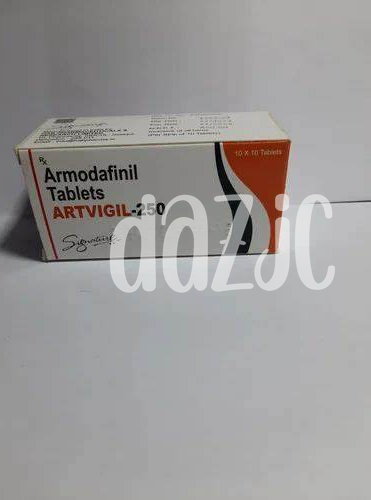
When experimenting with artvigil and adjunct nootropics, prioritize baseline health checks and conservative dosing. Start with the lowest effective dose of each compound, introduce one ingredient at a time, and wait several days to assess effects. Track sleep, blood pressure, heart rate, mood, and cognitive changes in a log. Those with cardiovascular issues, psychiatric history, or on prescription medications should consult a clinician.
Balance stimulating stacks by limiting total stimulant load, avoiding combinations with MAO inhibitors and excessive caffeine, and planning regular drug-free days to reduce tolerance and withdrawal. Consider hepatic metabolism and potential CYP interactions, prefer well-studied supplements, and maintain open communication with healthcare providers if adjustments or adverse effects occur for personalized guidance.
Top Cognitive Enhancers Complementing Wakefulness Agents
Pairing artvigil with nootropics that support memory, attention and neuroprotection can transform clinical wakefulness into sustained cognitive clarity. Choline donors (CDP-choline or alpha-GPC), racetams like aniracetam for synaptic plasticity, and a low-dose stimulant or L-theanine balance improve focus without jitter.
Add adaptogens like rhodiola and ashwagandha for stress resilience, omega-3 fatty acids for neuronal membrane support, promoting long-term cognitive resilience and repair, and a B-complex for methylation and energy. Begin conservatively, document cognitive domains affected, and titrate doses to balance peak alertness with preserved nighttime sleep and reduced tolerance risk.
Mood Focus Motivation Multi Compound Stacking Options

Combining a wakefulness agent such as artvigil with targeted enhancers can transform lethargy into motivated clarity: pair low-dose racetams or alpha-GPC for memory support, L-tyrosine for drive, and a low stimulant dose of caffeine or rhodiola to smooth energy curves without jitters or crash today.
Begin cautiously: microdose and evaluate subjective changes over several days, adjust ratios to prioritize mood and sustained attention, schedule naps or melatonin to protect sleep, supplement B vitamins and magnesium to stabilize neurotransmission, and avoid risky combos; when in doubt seek medical guidance with monitoring.
Timing Protocols and Microdosing for Sustained Performance
I learned to sequence doses like a composer, placing a light anchor of artvigil early and layering microbursts of supportive nootropics later to avoid peaks and troughs.
Short half-life additives such as L-theanine or low-dose racetams suit staggered boosts; try fractions of full doses spaced three to four hours apart to maintain consistent cognitive tone.
Microdosing emphasizes small, frequent amounts tailored to sensitivity; begin at ten to twenty five percent of a typical dose, record effects, and adjust conservatively based on sleep and anxiety markers.
Use a timing plan and brief naps to reset, then refine windows from experience and monitor clarity. Example schedule:
| Time | Compound | Dose |
|---|---|---|
| 08:00 | artvigil | 75mg |
| 11:00 | Ltheanine | 100mg |
| 14:00 | Nap |
Potential Interactions Withdrawal Risks and Mitigation Tips
Stacking armodafinil with other stimulants can sharpen output but also magnify side effects. Palatable combinations like caffeine boost focus, yet mixing with amphetamines, MAOIs, or strong CYP inhibitors raises heart rate, blood pressure, and unpredictable levels—proceed cautiously.
Tolerance and psychological dependence are possible with extended use; abrupt cessation may cause fatigue, hypersomnia, mood dips or cognitive fog. True physiological addiction is uncommon, but users should respect the drug’s potency and notice any escalating doses.
Mitigation starts with planning: use the lowest effective dose, implement scheduled breaks, and avoid late-day dosing to preserve sleep. Monitor blood pressure and mood; discuss SSRIs, anticoagulants, and prescription stimulants with a clinician before combining.
Keep a symptom and dose journal, prioritize hydration, nutrition, sleep hygiene. If rebound hypersomnia, severe mood shifts, or cardiovascular symptoms appear, stop all use and seek medical advice without undue delay.