
To Buy Amoxicillin Online Visit Our Pharmacy ↓
 Amoxicillin Resistance: Causes, Prevention, Global Impact
Why a Common Antibiotic Is Losing Its Punch
Clinicians used to rely on amoxicillin as a dependable fix; now, familiar infections recur after brief relief. Bacteria adapt swiftly, turning simple prescriptions into temporary reprieves, and patients find once-routine treatments failing more often.
| Cause | Effect |
|---|---|
| Overuse | Selection of resistant bacteria |
| Incomplete course | Survival and spread of resistant strains |
Genetic changes, like plasmid exchange and beta-lactamase production, neutralize the drug or prevent its entry. Environmental pressures favor strains that survive treatment, while diagnostics lag and clinicians sometimes prescribe empirically. The consequence is a steady rise in isolates that shrug off amoxicillin’s action.
Combating this loss requires smarter prescribing, patient adherence, investment in rapid tests, and surveillance. Communities can demand stewardship programs and avoid unnecessary antibiotics for viral illnesses. Small behavioral changes, amplified globally, slow resistance, preserve effective treatments and buy researchers time to develop new options and save lives worldwide.
Mechanisms Bacteria Use to Evade Antibiotic Action
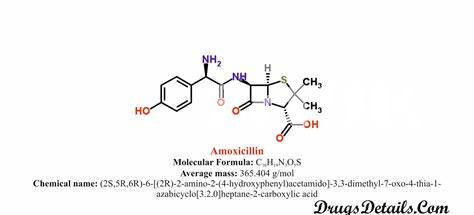
In the microscopic battlefield, bacteria adapt fast. Exposed repeatedly to amoxicillin, they mutate target enzymes and change cell wall structures so the drug can’t bind or reach its target.
Some species produce enzymes that chew up antibiotics before harm is done; beta-lactamases are notorious for cutting the ring structure that makes penicillins effective. Other cells pump drugs out with efflux pumps at remarkable speed.
Bacteria also hide in biofilms — sticky communities where antibiotics penetrate poorly and immune attacks falter. Dormant persister cells survive treatment by shutting down processes targeted by drugs, then awaken to repopulate once therapy ends.
Genes for resistance move between bacteria on plasmids and transposons, spreading traits like wildfire across species and settings. This genetic exchange means local misuse of amoxicillin can have far-reaching consequences, undermining treatment options globally and threatening routine surgeries and vulnerable patients.
Human Behaviors Driving Drug Failure Worldwide Trends
At a market in Lagos and a clinic in Madrid, the same pattern plays out: people reach for leftover pills or demand quick fixes, and clinicians, pressed for time, often yield. Self-medication, purchasing antibiotics without prescriptions, and interrupted courses create selection pressure that favors resistant strains. Overprescription driven by diagnostic uncertainty and patient expectations accelerates this, especially for widely available drugs like amoxicillin, turning effective treatments into blunt instruments everywhere.
Farmers dosing livestock against disease, counterfeit medications containing subtherapeutic ingredients, and inadequate wastewater treatment all magnify resistance. Global travel and trade shuttle resistant bacteria across borders, while limited diagnostics in many regions sustain empirical prescribing. Poverty, weak regulation, and fragmented public health messaging compound the problem, creating a feedback loop where behavioral, economic and infrastructural factors drive drug failure and demand coordinated stewardship, education and investment to reverse the trend.
Clinical Consequences: Harder Infections and Limited Options
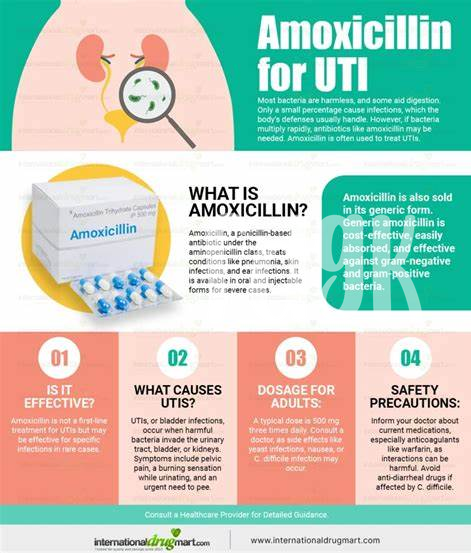
A routine sore throat that once cleared with amoxicillin can now spiral into a stubborn infection, starting a story clinicians dread. Resistant strains transform simple illnesses into prolonged battles, eroding patient trust and clinician confidence. Families endure anxiety, lost work, and financial burden.
Clinically this means longer fevers, more clinic visits, and increased hospital admissions. Treatments shift toward broader-spectrum or toxic agents, raising side effects and costs. Resistance narrows pediatric options and complicates surgery prophylaxis.
Diagnostic uncertainty grows: culture delays and limited rapid tests extend empiric therapy, which fuels further resistance. Vulnerable populations—children, elderly, immunocompromised—face higher morbidity and mortality. Delayed effective therapy increases transmission and outbreaks.
Health systems feel the strain through longer stays, readmissions, and soaring drug and intensive-care costs. The narrowed arsenal forces urgent action: stewardship, better diagnostics, and accelerated antibiotic development. Policy investment must match clinical urgency.
Practical Community Actions to Reduce Antibiotic Misuse
Imagine a neighbor knocked out by a stubborn cough; community norms decide whether they grab leftover amoxicillin or see a clinician. Small choices ripple: asking for tests, refusing antibiotics for viral colds, and supporting local stewardship programs keep resistance from taking root.
Schools, pharmacies and faith groups can host brief workshops, distribute clear leaflets, and model correct behavior: finish prescribed courses, never share medicines, and return unused pills to pharmacies. Clinicians should use point‑of‑care tests and delayed prescriptions to avoid unnecessary antibiotic use.
Local policies and easy reporting loops magnify impact.
| Action | Why it helps |
|---|---|
| Return unused drugs | Prevents self-medication and diversion |
| Support vaccination | Reduces infections and antibiotic demand |
Global Strategies, Policy Shifts, and Research Priorities
Coordinated international action now matters: integrated surveillance, robust stewardship programs and resilient supply chains together can slow resistance and preserve treatments. Investments in laboratory capacity and data-sharing frameworks let outbreaks be detected and responses targeted.
Policy changes should restrict nonessential agricultural antibiotic use, tighten prescription controls, and create market incentives for novel therapies. Public procurement policies can de-risk research while ensuring affordable access, and transparent reporting ties policy to measurable outcomes.
Research must prioritize rapid diagnostics, novel antimicrobials, phage and immunotherapies, and vaccines that reduce reliance on drugs. Funding for basic science on resistance mechanisms will accelerate translation.
Success hinges on equitable implementation, sustained political will and community engagement to make policy real and durable.