
To Buy Addyi Online Visit Our Pharmacy ↓
 Addyi Vs. Viagra: Comparing Sexual Desire Treatments
Brain Chemistry Versus Blood Flow: How They Work
Imagine desire as a signal flickering in the brain before it becomes physical; medications that act on neurotransmitters adjust that signal by boosting dopamine or modulating serotonin to increase sexual interest and arousal. These treatments influence mood, motivation, and reward pathways, so effects build gradually and depend on baseline chemistry, psychology, and context.
By contrast, medications that enhance blood flow work quickly by widening penile arteries through nitric oxide signalling and smooth-muscle relaxation, enabling erections when sexual stimulation occurs. Their primary target is vascular response rather than desire itself, so they are often used as needed and pair well with approaches addressing emotional or relational factors when low desire persists. For many individuals seeking help.
| Mechanism | Primary effect |
|---|---|
| Neurochemical modulation | Increases desire and motivation |
| Vascular enhancement | Improves blood flow to enable erection |
Who Benefits: Targeting Hypoactive Desire Versus Erectile Dysfunction
Imagine two people in the same room with different needs: a woman whose desire has faded and a man struggling to get or keep an erection.
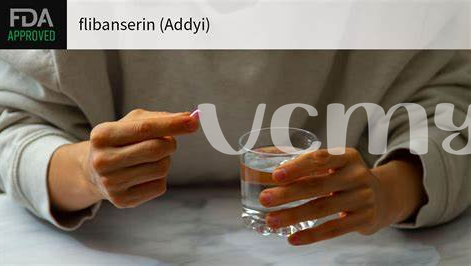
Treatments target distinct problems. addyi acts on brain chemistry to raise sexual desire in premenopausal women with hypoactive sexual desire, while erectile drugs improve blood flow to produce or sustain erections.
Candidates differ: psychological factors, relationship issues, hormonal changes, or antidepressant effects often point toward desire-focused approaches; vascular disease, diabetes, or nerve injury suggest erectile treatments.
Choosing requires assessment of cause, expectations, and safety, often combining medication with counseling, lifestyle change, or couples therapy yields the best outcome. Discuss risks and benefits openly with your clinician and partner regularly.
Efficacy Evidence: Clinical Trials, Realistic Expectations, and Outcomes
Patients often enter trials hoping for dramatic change, but clinical studies show more modest effects. For example, randomized trials of addyi measured increases in satisfying sexual events and self-reported desire, yet improvements were typically small to moderate and variable among participants. Researchers use placebo-controlled designs, validated questionnaires, and months of follow-up to separate true drug effects from expectancy and relationship dynamics, so interpreting results requires nuance rather than headline claims.
Clinicians translate trial outcomes into realistic expectations: some people gain measurable benefit, others notice little change, and side effects or interactions can limit usefulness. Shared decision-making focuses on individual goals, baseline health, and concurrent medications; tracking outcomes over time helps decide whether to continue therapy. Complementary strategies — counseling, behavioral changes, and managing comorbidities — often enhance medication effects, making combined approaches the most pragmatic route to improved sexual well-being.
Safety and Side Effects: Interactions, Risks, Daily Considerations
Imagine a couple planning a quiet evening; choices about medication matter beyond desire. Drugs like addyi act on neurotransmitters and can interact with alcohol and certain antidepressants, so a clinician’s review of current medicines is essential. For men, phosphodiesterase inhibitors have blood-pressure effects that conflict with nitrates. Understanding interactions helps people avoid dangerous drops in blood pressure or unexpected sedation, and clarifies when to pause or adjust other prescriptions.
Side effects vary: nausea, dizziness, headaches and, rarely, serious hypotension. Regular check-ins let clinicians weigh benefits against risks and screen for contraindications such as pregnancy or heart disease. Practical daily choices—timing doses, avoiding alcohol with addyi, and not mixing with nitrates—reduce harm. Patients should report mood changes or fainting immediately. Combining medication with therapy, sleep hygiene, and stress reduction often improves outcomes and may lower required dosages and regular monitoring too.
Practical Use: Dosing, Timing, Alcohol Warnings, Daily Versus As-needed
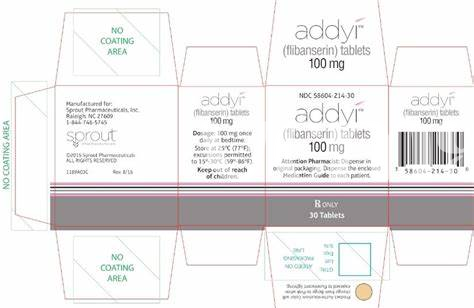
When choosing a medication, think about how it's used: some are taken daily, others only before sex. For example, addyi requires nightly dosing to build effect, while on-demand drugs are taken hours before activity. Understanding this changes expectations and planning. Insurance coverage and cost also influence whether someone chooses nightly therapy or an as-needed pill.
Timing matters: some pills peak quickly, others need steady levels. Coordinate with partner schedules, work, and sleep, and set reminders for daily regimens to avoid missed doses.
Alcohol warnings are key: addyi carries a boxed warning about fainting and low blood pressure when combined with alcohol, so strict abstinence in the evening is required. Discuss risks and alternatives with your clinician to choose daily versus as-needed approaches that fit your life. Keep a simple plan for missed doses, and never double-dose without medical advice today.
| Medication | Typical Timing |
|---|---|
| Addyi | Nightly |
Beyond Pills: Therapy, Lifestyle, and Alternative Approaches
Many people discover pills are only part of the story; therapy can reframe desire, address past trauma, and rebuild intimacy. Small steps yield big change.
Lifestyle shifts—regular exercise, improved sleep, balanced nutrition, and stress reduction—often raise baseline libido and energy. Reducing alcohol and smoking also matters.
Practical tools like mindfulness, pelvic floor therapy, sensate focus exercises, and communication skills can enhance arousal and connection without medication.
Supplements and devices exist but require caution; discuss alternatives with a clinician to balance benefits, side effects, and expectations. Set realistic, shared goals together.