
To Buy Accutane Online Visit Our Pharmacy ↓
 Mental Health and Accutane: Separating Myth from Fact
Debunking Widespread Myths Linking Accutane to Depression
When Sarah started isotretinoin, friends predicted gloom, but her experience was different: anticipatory anxiety eased once acne visibly improved. Her dermatologist explained known risks, documented history, and arranged follow‑ups, turning an alarmist rumor into a managed treatment plan where benefits and concerns were weighed together with thoughtful care.
Large epidemiological studies show small increases in mood symptoms for some, but causality is difficult to prove because severe acne itself raises depression risk. Regulatory reports highlighted rare cases, prompting vigilance rather than blanket condemnation; the data support individualized assessment, not moral panic or simplistic conclusions.
Clinicians can counter myths by explaining evidence, screening for prior psychiatric history, and monitoring changes during treatment. When mood shifts occur, rapid evaluation often identifies treatable causes or alternatives. Clear communication empowers patients to pursue effective acne therapy without undue fear and involve family when appropriate.
| Myth | Reality |
|---|---|
| Accutane always causes depression | Rare; evidence is mixed and context-dependent |
What the Evidence Actually Says about Risks
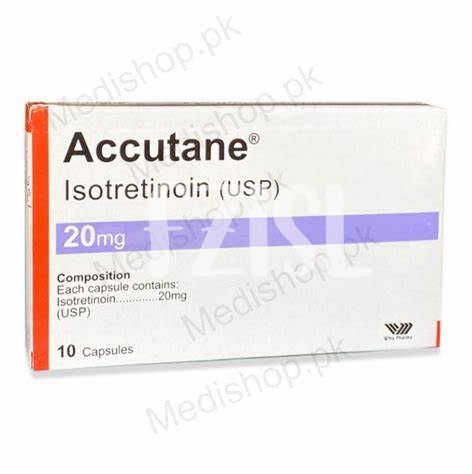
Clinicians have grappled with reports linking mood changes to acne treatments, yet large studies and reviews show mixed associations. Patients' stories matter, but data often point to complex causes instead.
Meta-analyses including thousands of people find no consistent causal link between accutane and suicide, though rare events require caution. Confounding factors like preexisting depression complicate interpretation and demand careful monitoring.
Clinicians balance potential risks with substantial acne benefits, recommending baseline screening, informed consent, and follow-up. Open dialogue, timely support, and rapid response protect patient safety and wellbeing throughout treatment journeys.
Biological Mechanisms That Could Plausibly Affect Mood
A patient once described feeling foggy and detached after starting accutane, prompting curiosity about how a skin drug could touch mood. Science suggests several plausible biological pathways to explore today.
Retinoids influence gene expression in the brain; isotretinoin can alter neurotransmitter systems including serotonin and dopamine, potentially shifting emotional regulation. Animal studies show changes in neuroplasticity and hippocampal function noted.
Inflammatory pathways might mediate mood effects: isotretinoin influences cytokine profiles and could interact with the HPA axis, altering stress responses. Also, vitamin A derivatives affect sleep and circadian rhythms too.
These mechanisms are plausible but not definitive; they frame hypotheses researchers test. Clinicians should monitor patients closely, balancing evidence with individual risk and benefit carefully.
Identifying Warning Signs during Isotretinoin Treatment
When Mia started accutane, she tracked subtle shifts: sleepless nights, withdrawal from friends, and sudden irritability. These changes—especially persistent sadness, talk of hopelessness, or new aggression—are red flags that merit immediate attention from a clinician.
Careful journaling of mood, sleep, and energy helps distinguish drug effects from life stressors; families should note any self-harm thoughts or drastic behavior shifts. Prompt communication, emergency plans, and coordinated follow-up create a safety net while balancing acne treatment benefits. Clinicians should schedule frequent check-ins and consider pausing medication if risks escalate for safety reasons.
Weighing Acne Improvement Against Potential Mental Health Tradeoffs
I remember the relief when my skin cleared, but relief carried ambiguity. Choosing accutane felt like balancing urgent confidence gains with uncertain emotional cost. For many, visible improvement boosts self-esteem and social ease; for a few, mood changes emerge unexpectedly. Framing the choice means weighing probable benefits against individual mental health history.
Quick comparison:
| Benefit | Tradeoff |
|---|---|
| Cleared skin | Mood shifts |
| Improved confidence | Rare depression or anxiety |
Decisions should be individualized: screen history, discuss alternatives like topical or hormonal options, and set measurable goals for acne and mental wellness together.
Track mood regularly, report concerning symptoms promptly, and maintain open dialogue with your dermatologist and mental health provider to maximize benefits while minimizing risks throughout treatment.
Practical Monitoring and Support Strategies for Patients
Start by framing treatment as a partnership: before scripts begin, clinicians should document baseline mood, sleep, and suicidal ideation, explain possible side effects, and schedule regular follow-ups. Patients benefit from a simple plan—weekly mood checks, a trusted contact who knows when to step in, and explicit instructions for urgent symptoms. Clear expectations reduce anxiety and make it easier to spot change early, turning worry into actionable steps rather than helplessness.
Use brief validated tools such as the PHQ-9 during visits and encourage patients to keep a daily mood diary or smartphone log. Coordinate with mental health providers if scores worsen or suicidal thoughts emerge; never dismiss patient reports. Consider dose adjustment or pausing isotretinoin when persistent severe symptoms appear. Finally, normalizing the need for support—peer groups, counseling, or short-term medication—helps patients stay engaged with acne care while protecting mental wellbeing.