
CMS Align Networks Spotlight Interoperability Progress—and Persistent Barriers
Industry leaders emphasize execution, trust, and policy alignment as federal momentum accelerates data exchange initiatives
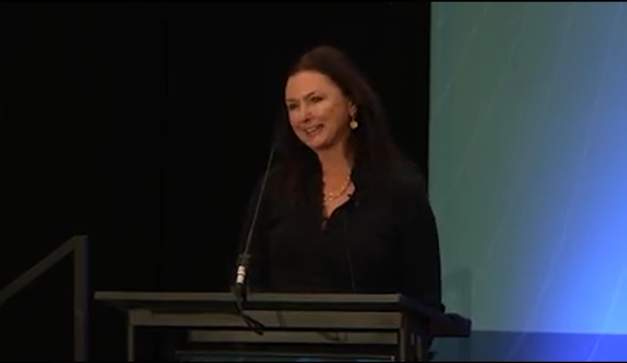
At a recent health interoperability convening, leaders from Epic, b.well Connected Health, Surescripts, and Kno2 reflected on the rapid evolution of CMS Align Networks and the broader national interoperability landscape. While panelists largely agreed that little “new” information emerged from recent CMS and HHS discussions, they emphasized that engagement, urgency, and accountability across the ecosystem have markedly increased.
Participants described a growing understanding among stakeholders of how multiple interoperability frameworks—TEFCA, national and regional health information exchanges (HIEs), payer networks, and patient-facing FHIR APIs—fit together. Rather than replacing existing infrastructure, CMS Align Networks are increasingly viewed as a catalyst for a “network of networks,” each operating under distinct rules, coverage, and participation models. Panelists stressed that progress will depend on coordinating these efforts rather than relying on a single nationwide solution.
Several speakers underscored the seriousness of the CMS pledge itself. Align Network participants now see themselves as extensions of CMS, carrying responsibility not only to meet technical milestones but also to deliver tangible value to patients, providers, and payers.
This responsibility is particularly acute given the volume of patient data held across participating networks and the compressed timelines CMS has set for progress checkpoints in 2025.
From Vision to Execution
Panelists highlighted concrete steps their organizations are taking to advance interoperability goals. Epic reported leading efforts around a national provider directory, describing it as foundational infrastructure akin to a “dynamic map” for healthcare data exchange. Without accurate, up-to-date information on where providers practice and how to route data, speakers argued, interoperability cannot function reliably at scale.
Surescripts emphasized its focus on reducing administrative burden through near–real-time medication prior authorization at the point of prescribing, leveraging its position within e-prescribing workflows. Kno2 described the challenge of bringing smaller and less technically mature EHR vendors—many of which hold significant portions of Medicare and Medicaid patient records—into alignment with modern interoperability standards, privacy requirements, and individual access obligations.
b.well Connected Health noted that its long-standing investment in FHIR-based architecture positioned it to move quickly, allowing the organization to open-source components, lead workgroups, and support live demonstrations across networks. Demonstrations, panelists agreed, are critical for reducing uncertainty and shifting conversations from theoretical barriers to practical implementation.
Technology Works—Processes Often Do Not
Despite optimism about technical progress, speakers repeatedly emphasized that policy interpretation, operational processes, and human behavior remain the largest obstacles. Real-world examples illustrated how patients still face significant friction when attempting to access their own records, including inaccurate directories, inconsistent consent workflows, geofencing limitations, and reliance on outdated methods such as fax.
Panelists stressed that while the technical “pipes” for data exchange increasingly function, inconsistent defaults and risk-averse interpretations of HIPAA frequently block access. Several speakers argued that HIPAA itself is not the problem, but rather misinterpretations that prioritize perceived risk over lawful data sharing. Calls were made for clearer federal guidance, standardized defaults for patient access, and greater transparency about what is not working so those issues can be addressed directly.
Sustainability, Trust, and What Comes Next
Looking ahead, panelists agreed that CMS timelines should be viewed as milestones rather than finish lines. Long-term success will require sustainability, ubiquity, and trust—ensuring that interoperability works not just for most patients, but for all.
Provider directories, consent defaults, and consistent education across fragmented healthcare organizations were cited as critical priorities.
The discussion also highlighted the role CMS can play beyond regulation, particularly through incentives and economic levers that encourage adoption and behavior change. As federal engagement increases, speakers expressed cautious optimism that alignment across trust frameworks and networks will continue to strengthen.
Ultimately, the panel concluded that progress will depend on maintaining momentum, resisting “shiny object syndrome,” and collectively addressing both technical and non-technical barriers. With heightened visibility, public commitments, and active collaboration, participants expressed confidence that the industry is positioned to move beyond recurring discussions and toward measurable, patient-centered outcomes.